Do we need a minister of loneliness?
As you know very well, South Africa recently got its very own Minister of Electricity. My guess is that not many of us would jump at this position if it were offered to us. It’s kind of difficult to remember a time when we didn’t have to think about when the power might go out, or is it just me? But since we spoke about loadshedding and adapting to chaos in general last week, let’s not get into it again (also we know nothing about generating electricity, so better to leave it to the supposed experts).
Since human wellbeing, organisational health and performance is our thing, best to stick with that! You might not know that a number of countries including the UK and Japan have appointed Ministers of/for Loneliness over the past couple of years. Like our electricity crisis in SA, national leaders have started to realise that we are also facing a human energy crisis around the globe – and disconnect and loneliness (defined as being alone when you would prefer the company of others) seems to be a mayor contributor.
The 21st century is regarded by many as the loneliest century humankind has ever experienced, although there are more people on Earth than ever before! It’s not like there aren’t enough people to spend time with… Did you know that there are many rent-a-friend online agencies operating around the world where you can sign up as a friend or rent a friend by the hour to do fun activities with like shopping, mountain-biking or whatever you feel like doing (this is not the same type of service provided by Tinder, mind you).
So what could possibly be the cause of this?
There are probably many and they could include the following for a start:
- It’s possible that we have come to underestimate the value of human connection and prioritize other “more valuable” things instead. Many of the people we work with talk about how busy their lives are (often wearing it as a badge of honour). It’s realistic to think that spending quality time with friends and family can feel like less productive way to spend our time compared to “the more important” things we think we need to fill our days with.
- We confuse connectivity with connection. Having a bunch of friends on Facebook or liking a post is not the same as spending quality time with someone, in person. Looking at a screen does not have the same effect on connection as sharing a hug, making eye contact or giving someone a high-five. Fact.
- Remote work has many great benefits. We work remotely 90% of the time and it allows us a great deal of freedom. But one negative side effect has to be that millions of people around the world operate in physical isolation and don’t have meaningful contact (outside of work related discussions) with other humans as often as needed. We used to work in an office environment where we would have lunch together almost every day. Those were the best lunches!
- The high levels of polarization seen around the world effectively “eliminates” large portions of the population from making meaningful connections with each other. If we overinflate our differences on specific issues, spend our free time fighting on Twitter, we struggle to see each other as individuals that are worth getting to know more deeply.
- As South Africans we know the impact of emigration and semi-gration has on families and friendship groups. Like most, you probably have friends and relatives in most of the countries that people prefer moving to. Its tough to stay connected when you are physically removed from each other. Somebody told me last week that he even avoids getting to know new people if he knows that they are planning to emigrate. The investment just does not seem worth it.
There are probably many more reasons why the current generation of humans are the loneliest in recorded history. It is immensely important to realise that being lonely doesn’t just make you feel miserable, but it also has a dramatic impact on the quality of you health and life. Being lonely apparently has the same negative impact on your wellbeing as being obese and smoking 15 cigarettes per day.
Studies among supercentenarians (people older than 110) find that one of the key ingredients to getting really old is spending time with friends every day. Specific areas of Italy and Japan have the highest concentration of very old people in the world and researchers found that a high sense of belonging is what keeps these people healthy for longer.
A sense of belonging and connection is also one of the best predictors of employee engagement and loyalty in the work environment. Now that’s worth knowing.
So what does this mean for you?
This weekend, make the time to connect. Reach out to someone you haven’t seen in a while and go have coffee or wine with them. Rekindle a fading friendship. If you are lucky enough to have a family, spend some quality time with them in person. And if you are not, phone a friend or try to get out and connect with a stranger, make a new friend. You should not underestimate the value and importance of feeling like you belong.
Remember: If you want to have good friends, be a good friend!
Before you go enjoy your long weekend: We have developed an approach that helps to cultivate real connection and a sense of belonging in the work environment. We call it Counterpart. For more information, simply reply to this email.
Like always, we thank you for choosing to spend some time with us. Have a great Freedom Day and long weekend!

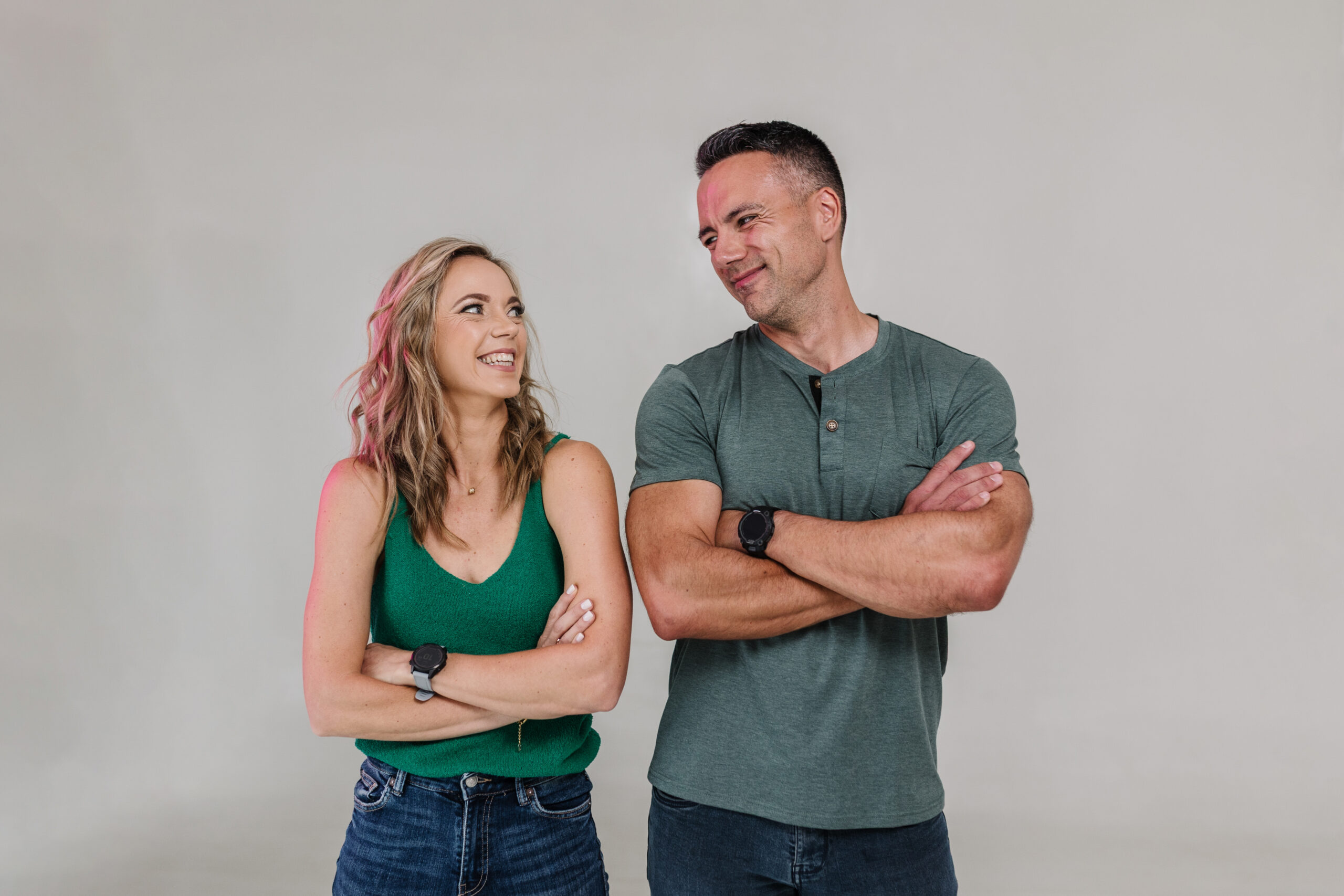
Here’s a pic of us, being friends.
At PurposeWorks we are all about Making You and Your Work Rock. Our focus is on Organisational Health and Design, Employee Centered Culture, Leadership Development and Performance Coaching. For more information on how we can help you create a work environment that rocks, develop a great team, become an inspiring leader or unlock your personal excellence talk to us at info@purposeworks.co.za.